
8 Types of Music for Focus and Productivity That Make Work Feel Easier

The best music for focus is usually the kind you barely notice: instrumental, steady, and low on surprises. Think classical, lo-fi beats, ambient soundscapes, nature sounds, film scores, soft jazz, or a playlist of songs you know so well they fade into the background. Binaural beats are a newer option worth a try if you want something built specifically for concentration. Lyrics in your own language tend to compete for the same mental space as reading and writing, so wordless tracks give you the cleanest runway.
Why does it work? Good focus music gives your brain a gentle, predictable rhythm to settle into, and it softens the interruptions around you, from office chatter to a noisy café. The right sound won’t do the work for you, but it can make it easier to start, and easier to keep going when the task gets tedious.
That matters more than it might seem. The women building careers and businesses today are often protecting small windows of deep work between meetings, family, and everything else. Making those hours count is one of the most practical ways to move toward bigger goals, whether that’s a promotion, a thriving side venture, or real financial independence.
Below, you’ll find eight styles to match your task, your mood, and your workspace. Start with whichever sounds most like you, and trust what works.
How These 8 Focus Music Picks Were Chosen
Choosing music for focus isn’t about finding one perfect playlist. It’s about building a short menu you can actually use, so this list is curated rather than lab-tested. Each pick draws on widely discussed ideas about music and concentration, plus a practical look at how it fits real workdays, from quiet planning sessions to loud, interrupted afternoons. Think of it the way you’d think about any smart move in the funding game: you test, you learn what works for you, and you adjust.
Here’s what each style needed to earn a spot:
- It supports concentration instead of competing with your thoughts.
- It’s easy to find on free and common streaming platforms.
- It works across different task types, from writing to routine admin.
- It suits different moods and work settings, whether you’re at a desk, a kitchen table, or a busy cafe.
- It stays pleasant over long stretches without becoming a distraction.
A few small details shape how well any of these work. Lyrics tend to compete with the part of your brain that reads and writes, which is why most of the picks are instrumental or wordless. Volume matters too: music works best as a soft backdrop, not the main event. Familiarity is the wild card. Songs you know well can feel comforting and easy to tune out, while brand-new tracks may pull your attention.
So treat what follows as a menu, not a rulebook. Sample freely and keep whatever helps you show up for your work.
1. Instrumental Classical, A Timeless Choice for Deep Thinking

Calm classical music is a go-to for a reason. With no lyrics to follow and a steady, unhurried flow, it gives your mind something pleasant to rest against while you work. That makes it especially good for the tasks that ask the most of your attention: drafting a proposal, mapping out next quarter, or sitting down with your budget and actually understanding what the numbers are telling you.
Solo piano is a gentle place to start. Erik Satie’s quiet piano pieces and Debussy’s “Clair de Lune” feel spacious without being sleepy. If you want a little more structure, try string quartets or chamber music from Haydn, Mozart, or Schubert. The interplay between instruments tends to feel orderly and calming, which can help when your to-do list feels chaotic. Baroque composers like Bach and Vivaldi are another favorite, thanks to their steady rhythm.
You may have heard of the “Mozart effect,” the popular idea that listening to Mozart makes you smarter. The evidence on that one is mixed, so think of it as a fun bit of lore, not a promise. What matters is simple: if classical music helps you settle in and stay with your work, it’s doing its job.
Not sure where to begin? Search for “classical music for studying” or “peaceful piano” on any streaming platform and let a playlist run while you work.
2. Lo-Fi Beats, Relaxed Rhythm for Everyday Tasks
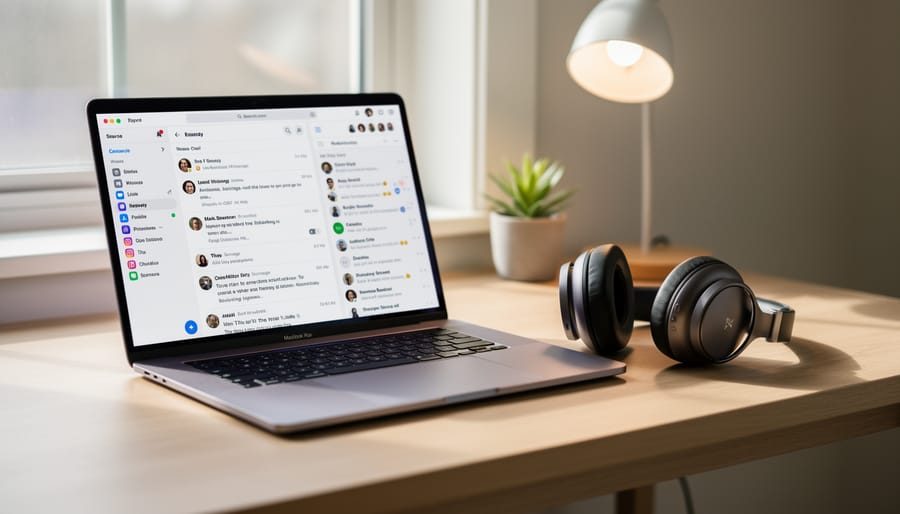
Some tasks don’t need deep thinking, they just need to get done. That’s where lo-fi beats shine. These mellow, steady tracks sit softly in the background, filling the quiet without pulling your attention away from what’s on your screen. There’s no dramatic build, no sudden drop, just an easy, repeating rhythm that keeps your hands moving and your mind calm.
Think of lo-fi as the soundtrack for your everyday to-do list. It pairs nicely with clearing a crowded inbox, updating spreadsheets, scheduling meetings, filing invoices, or tackling the routine tasks that keep your business or career running smoothly. It also works well when you’re sketching out work planning for the week ahead and want a relaxed pace without distraction.
The best part is how easy it is to find. Free 24/7 lo-fi streams and ready-made playlists are available on YouTube, Spotify, and most other music apps, so you can press play and get started in seconds. No setup, no subscription needed, and no decisions to make when your focus window is short.
If you find yourself reaching for a calm, consistent groove on busy admin days, lo-fi might just become your new work-from-anywhere favorite.
3. Ambient and Soundscape Music, Space to Think Creatively
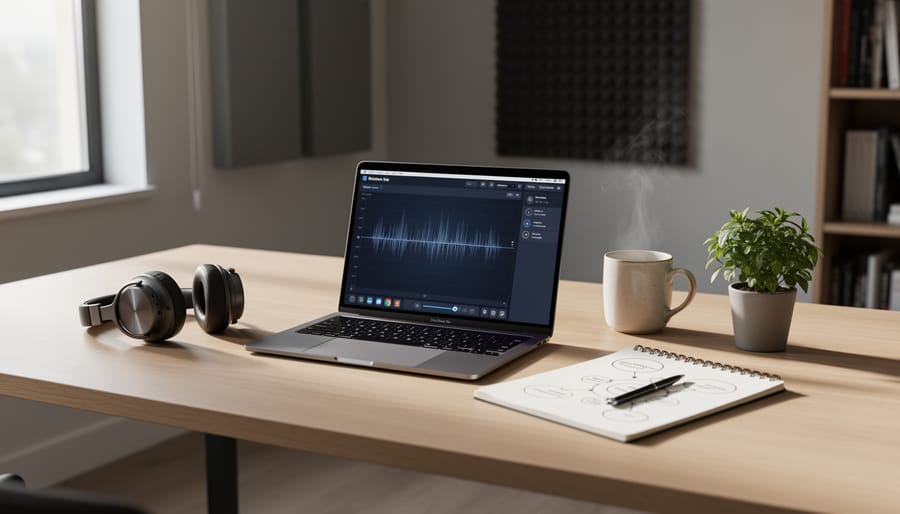
Ambient music is the quiet one in the lineup. Think slow, drifting synth pads, soft textures, and long, gentle notes that swell and fade without ever settling into a beat. Because there’s no steady rhythm pulling at your attention, your mind has room to wander in a useful way.
That openness makes ambient and soundscape tracks a lovely match for the work that doesn’t have a clear checklist. If you’re mapping out next quarter’s goals, sketching a business idea, or sorting through a big decision about your career, this kind of backdrop can feel like clearing off a messy desk. You’re not being nudged along. You’re being given space.
Try it for a Sunday planning session, a brainstorming hour, or the first stretch of a creative project when you’re still shaping what it will become. Search for “ambient focus,” “deep space ambient,” or “atmospheric study music” on any major streaming platform, and you’ll find hours of options.
One small note: because ambient music is so subtle, it can feel sleepy when you’re tackling fast, detail-heavy tasks. Save it for the thinking work, and reach for something with a little more pulse when you need to move quickly.
4. Nature Sounds and White Noise, Calm for Noisy Environments

Some workdays don’t come with silence. There’s the open office chatter, the dishwasher, the kids asking where their shoes are, a neighbor’s leaf blower. When you can’t quiet the room, you can sometimes soften it, and that’s where nature sounds and white noise earn their keep.
Rain, ocean waves, and forest ambience work because they’re steady and predictable. There are no sudden changes for your brain to latch onto, so they blur the background instead of competing with it. Steady white noise does something similar, smoothing over the random spikes of a doorbell or a coworker’s phone call.
This is especially helpful if you’re a working mom or you’re balancing a busy household with a work-from-home schedule. You may not control the soundscape around you, but you can create a small bubble of calm in about ten seconds with a pair of headphones and a rain playlist.
Try a few options and see what feels right:
– Gentle rainfall for steady, cozy concentration
– Ocean waves if you like a slow, rhythmic pulse
– Forest sounds for a lighter, airier feel
– Plain white or brown noise for the loudest environments
Keep the volume just high enough to cover the chaos, and let it fade into the background.
5. Film and Video Game Scores, Motivation Without Words
Film and video game scores are built to support a moment without stealing it, which makes them a natural fit for focused work. Composers write this music to keep you engaged and carry you forward with no lyrics to compete for your attention. That’s why a good soundtrack can make a deadline feel more like a quest than a chore.
Try epic orchestral scores when you need energy for a push-through session or pitch preparation. Their steady build gives you a sense of momentum. Adventure and exploration scores from games work well for long stretches of planning or heads-down production, since they’re made to loop in the background for hours. When you need something gentler, quiet piano themes from films offer calm without going flat.
Search for “focus” or “study” versions of your favorite soundtracks, which often trim the loudest moments. Save a playlist for your biggest workdays and let it become your cue to start.
6. Jazz and Acoustic Instrumentals, Warm Energy for Creative Work
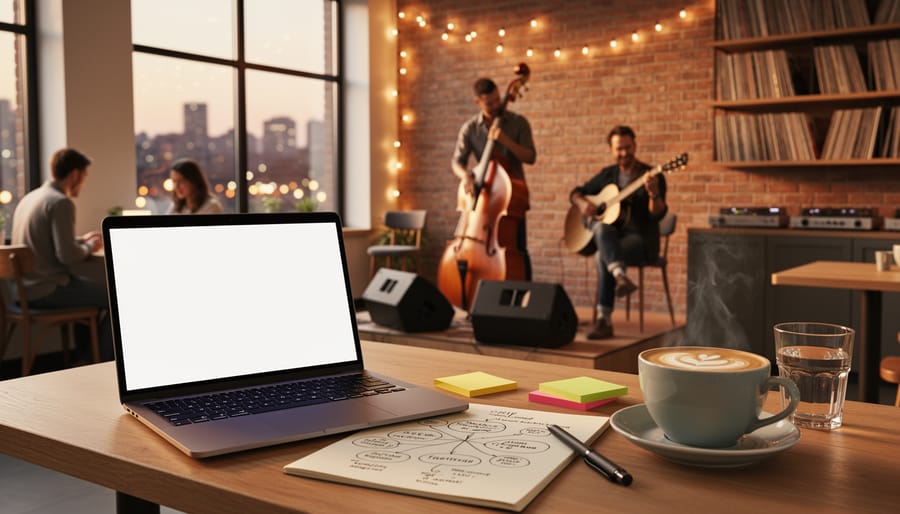
Soft jazz, bossa nova, and acoustic guitar bring a warm, café-style energy to your workspace. The tempo is gentle and the instruments feel human and familiar, so the music lifts your mood without demanding your attention. That makes it a lovely match for design work, content creation, and business brainstorming, where you want ideas to flow freely rather than feel forced.
Try a playlist of mellow piano trios, Brazilian bossa nova, or fingerstyle acoustic guitar. Many people find that the loose, unhurried rhythm helps them settle into a creative groove, almost like working from a sunny corner table with a good cup of coffee.
Picture a marketing professional who dreams of launching a small consulting business on the side. She carves out thirty minutes before the household wakes up, pours her coffee, and presses play on the same bossa nova playlist every morning. Within a few days, the music becomes her signal that this is her time. Instead of scrolling her phone, she sketches offers, drafts client emails, and builds her website one small step at a time. Months later, she credits that simple ritual with turning a vague idea into a real, paying business.
If your mind feels crowded before you begin, let the music help you clear your mind and ease into the work ahead.
7. Familiar Favorites and Songs in Another Language, Personal Playlists That Keep You Going

Sometimes the best focus music is the music you already love. A song you have heard a hundred times becomes a kind of background hum, comforting rather than distracting. The same goes for songs in a language you don’t speak. Without the words pulling at your attention, the melody and mood can lift your energy while your mind stays on the task.
This is where your own taste gets to lead. Build a personal playlist around the way you actually work: upbeat tracks for the morning push, softer ones for the afternoon slump. Add songs that make you feel capable, because that feeling matters. Plenty of women who build businesses alongside full-time jobs lean on a go-to playlist to shift gears from one role to the next.
There is one catch. Lyrics you understand can compete with the part of your brain that reads and writes, so familiar songs with words tend to work best for repetitive or physical tasks. Think filing, organizing receipts, tidying your workspace, or a walk while you think through a plan. For writing a proposal or reviewing a contract, you may want to save the sing-along tracks for a break and choose something instrumental instead.
8. Binaural Beats and Focus-Specific Tracks, A Newer Option to Try
If you like trying new tools, this one is worth a curious afternoon. Binaural beats work by playing two slightly different tones, one in each ear, so your brain perceives a third, pulsing rhythm. Many streaming and wellness apps now offer these alongside other purpose-built focus tracks, which are designed with steady, repetitive patterns meant to keep your attention from wandering.
Here’s the honest part: research on binaural beats is still developing, and results vary quite a bit from person to person. Some people say they feel calmer and more locked in. Others notice nothing at all, and a few find the sound distracting. None of those reactions means you’re doing it wrong.
Treat it as a low-pressure experiment. You’ll need headphones, since the effect depends on each ear hearing a different tone. Start with one short session, maybe 20 to 30 minutes, on a task you already know well, like clearing your inbox or updating a budget spreadsheet. Keep the volume low, then check in with yourself afterward. Did your mind wander less? Did the time pass more smoothly? If so, you’ve found a new tool for your toolbox. If not, you’ve lost nothing, and there are seven other styles waiting for you.
Making Your Focus Soundtrack Work for You: Simple Ways to Get Started
Once you’ve found a style or two that appeals, the real magic is in how you use it. Think of your focus soundtrack as a tool you shape around your day, not a rulebook you have to follow.
Start by matching the music to the task. Calm classical or ambient tracks tend to suit writing, planning, and number-crunching, while lo-fi or film scores can carry you through inbox clearing and admin work. If you’re reading or writing, steer toward music without lyrics, since words can compete for your attention.
Keep the volume low enough that it sits in the background. If you catch yourself singing along or tracking every note, turn it down or swap the track.
Try pairing a playlist with a short work sprint, say 25 to 45 minutes, then take a real break. You can also let one playlist become your “start” signal. When the same opening track plays each morning, your brain learns that it’s time to begin, which makes it easier to sit down and tackle the work that moves your career or business forward.
And when a playlist stops working, let it go. Our tastes and energy shift, so rotate in a different style, whether that’s jazz one week or nature sounds the next, and notice what feels good.
Does music really help you focus?
For many people, yes, especially when it masks distracting noise or helps them settle into a task. The effect varies from person to person, so it’s worth experimenting to see what works for you.
Should I avoid songs with lyrics?
It depends on the task. Lyrics can get in the way of reading and writing, but they’re often fine for repetitive or physical work.
How loud should my focus music be?
Aim for a quiet background level that you can easily talk over. If it pulls your attention away from your work, lower it.
What if I focus better in silence?
That’s completely valid. Some tasks and some people simply do better without sound, and choosing quiet is a smart focus strategy too.
The goal is simple: build a routine that feels easy, so you can give your best energy to the work that matters most.
Your Next Move: Find the Sound That Powers Your Best Work
The best focus music isn’t the one a playlist or a study guide says you should love. It’s the one that helps you show up for the work that moves your goals forward, whether that’s a promotion, a business launch, or a savings plan you’re building toward.
So this week, pick one or two styles from the list and give them a fair try. Maybe lo-fi beats for your inbox, or ambient soundscapes for strategy time. Then notice what shifts: how quickly you settle in, how long you stay with a task, how you feel when you finish. Small changes like these add up, and the focus you protect today is what powers the career and financial independence you’re building.



Leave a Reply